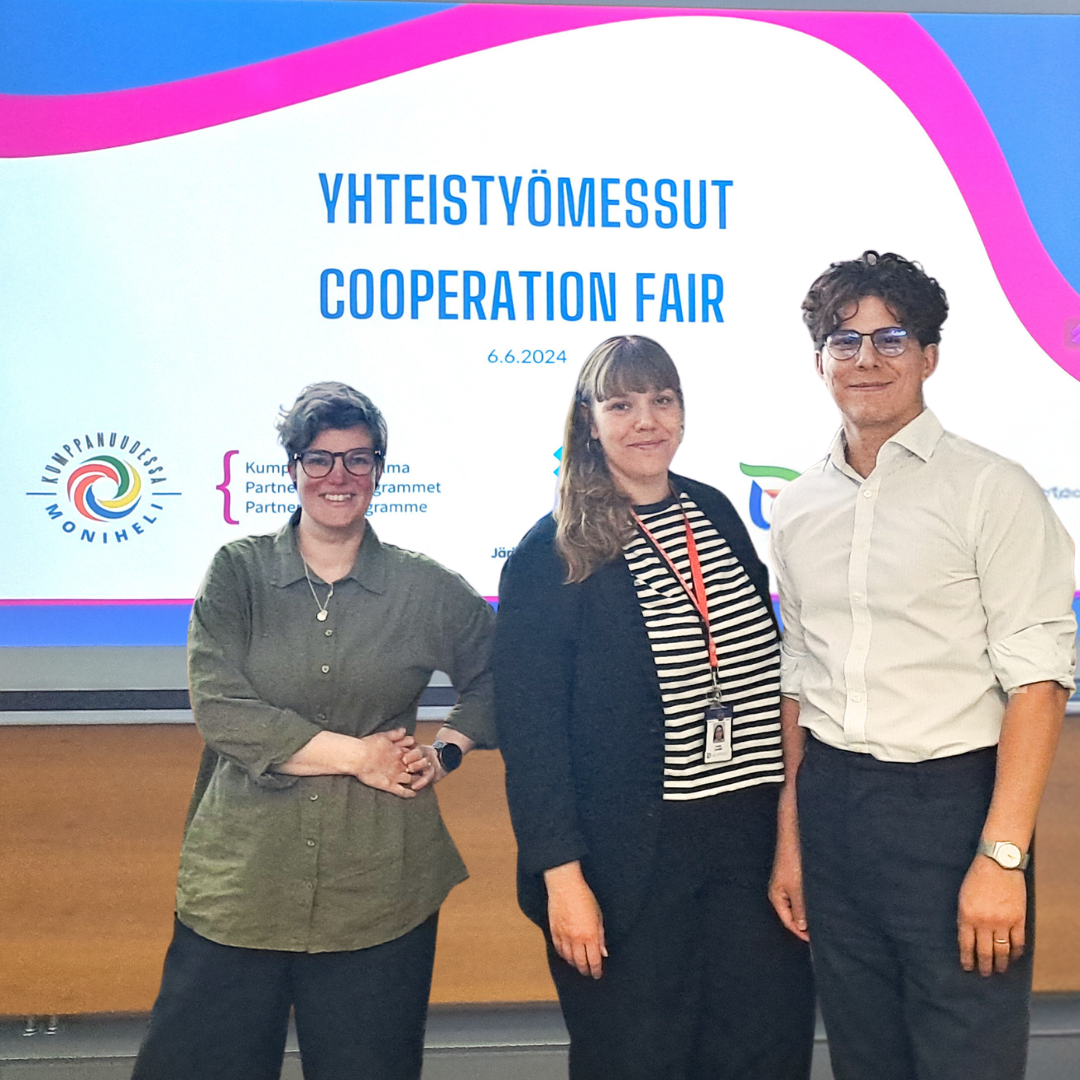
At the Cooperation Fair, discussions were held on employment, cooperation, multilingual communication and anti-racism. In this article you will find a summary of the main findings and insights from the discussions.
Employment: Recognizing Skills and Embracing Diversity
“The challenge of identifying and recognising skills and prior learning”
The discussion on employment highlighted the difficulty of identifying skills and prior learning. This often forces people to repeat their studies because their previous training and qualifications are not recognised. This creates inefficiencies and barriers to career progression for many who move to Finland.
The groups also discussed some measures to incentivise employers to hire people with an immigrant background. Emphasising the benefits of diversity in business—such as increased innovation and market competitiveness—was highlighted as a compelling motivator for hiring international talent. Campaigns showcasing successful examples and support from peer groups also play a vital role in changing employer perceptions and practices.
This type of work is already being effectively carried out by Moniheli member associations, demonstrating the positive impact of proactive diversity initiatives. Read more on professional recognition from Interpro Finland's blog post on Moniheli website here.
Cooperation: Building Trust and Effective Partnerships
Effective cooperation often starts with low-threshold meetings and events where potential partners can build relationships. Discussions highlighted that partnerships thrive on equality, inclusion, open discussion and ensuring that all parties are treated equally. Trust is the cornerstone of successful cooperation, which requires shared goals, openness, respect, reciprocity and fairness. By recognising and building on strengths, cooperation can be more inclusive, fairer and ultimately more successful.
“Cooperation is built on: equity and inclusion - when you discuss together, everyone is on an equal footing, and open and good communication.”
Good communication is vital in cooperation projects, which involves the recognition of different communication styles, setting clear expectations, and developing an action plan to keep everyone informed. Utilizing multichannel and multilingual communication supports trust-building and ensures that all parties are on the same page.
Multilingual Communication: More Than Just Words
Multilingual communication is more than just translating words; it involves considering written and spoken language, body language, and cultural nuances. Effective communication acknowledges that words can have different meanings across languages, even in direct translations. Let’s not forget that plain language helps clarify core messages, making them accessible to a broader audience. Organizations like Moniheli ry and Familia ry were mentioned as examples of good practices in multilingual communication.
“Communication must reflect the fact that we are human beings.”
Different groups respond to various communication methods, such as leaflets, videos, pictures, and sign language, which aid understanding and can be adapted to meet the target audience's needs. Moreover, ensuring digital literacy is crucial for easy access to information.
While communication requires balancing needs and resources, investing in thorough strategies can yield significant long-term savings. Cultural awareness and sensitivity are key, and mistakes should be viewed as learning opportunities to improve communication efforts continually.
Antiracism: Proactive and Collective Efforts
Addressing racism in Finland requires a proactive approach rather than merely reacting to incidents. Recognizing that racism is not always visible, especially microaggressions, is crucial.
Addressing racism in Finland requires a proactive approach rather than merely reacting to incidents. Recognizing that racism is not always visible, especially microaggressions, is crucial. Developing and implementing holistic policies involving all stakeholders can lead to innovative solutions. Ensuring diverse representation at decision-making tables is essential, as "clashing of thoughts sparks new ideas".
Raising awareness about the nuances of racism, acknowledging biases, taking immediate action, recording incidents, and incorporating antiracist education at various levels are critical steps. The fight against racism involves collective actions and personal responsibility. Active antiracism efforts are necessary to reduce inequalities, and discriminatory practices, and to move towards a more inclusive society.
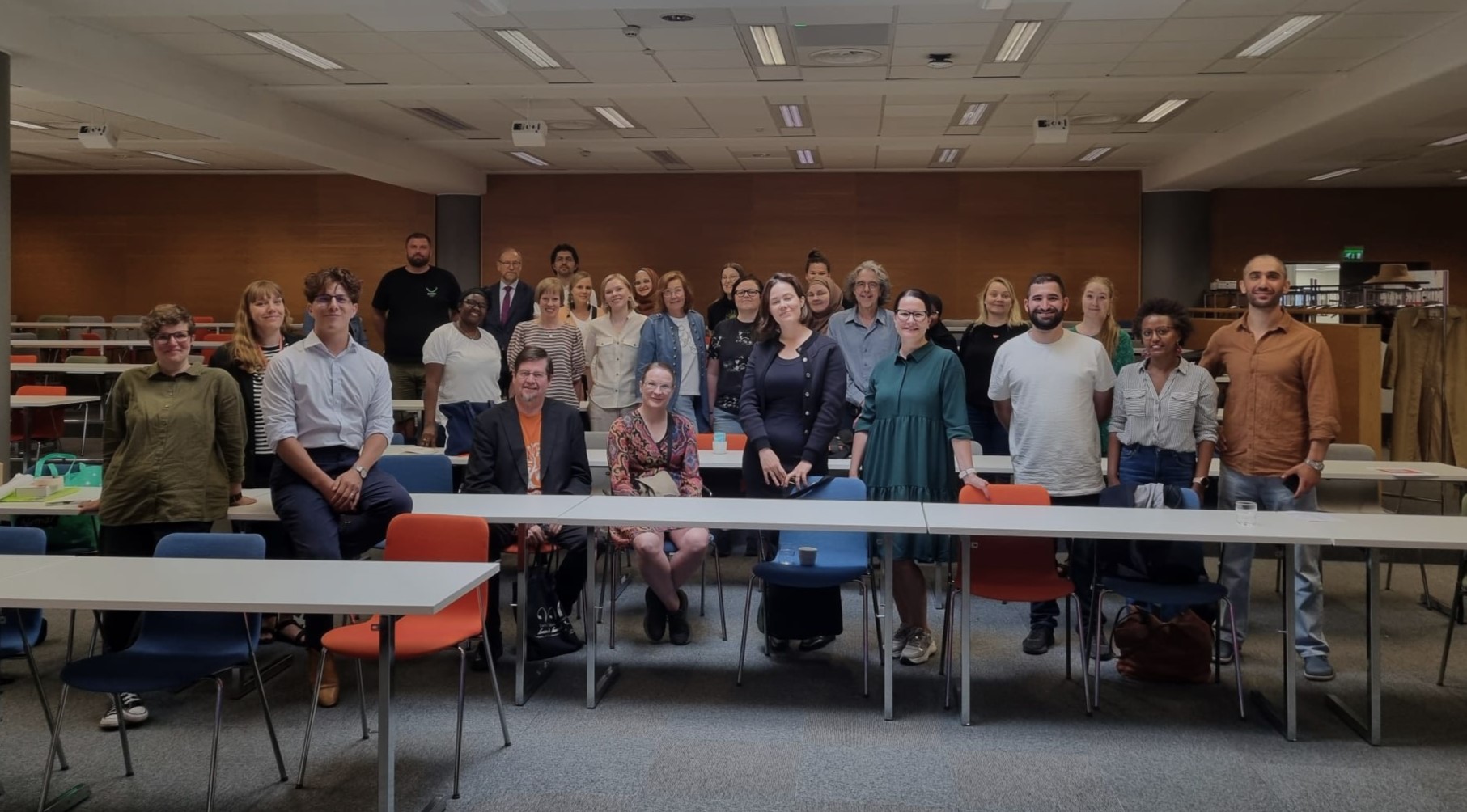
Integration actors rarely can come together to share experiences and opinions. The cooperation fairs and the theme-based group discussions during the fair provided a space for interaction and exchange of ideas. Thanks again to the participants for their active and constructive conversations.